

Teresa Ferreira, Ecohydraulics at the heart of river restoration in a changing world
Rivers worldwide are increasingly pressured by damming, channel alteration, sediment deficits, and the growing presence of in-stream infrastructures. These changes and increased human demands for water, are driving a progressive degradation of river habitats, ecological processes, and aquatic communities. In response, major efforts are underway to restore river ecosystems and biodiversity, in Europe particularly at WFD’s River Basin Management Plans and the new Nature Restoration Regulation.
Ecohydraulics occupies a central and increasingly strategic role in providing the scientific and technical foundations needed to understand river processes and support effective management and restoration. Applications such as habitat modelling, fish passage design, environmental flows and sediment management, demonstrate the breadth and relevance of the field in addressing ongoing contemporary river rehabilitation. An important challenge remains: how to scale up often localized restoration actions to achieve measurable ecological recovery at catchment and basin scales.
This keynote will address the foundational role of ecohydraulics in the restoration process, explore how it contributes to diagnosing river degradation and recovery, supporting restoration planning, and evaluating ecological outcomes across scales. It will highlight the growing need for interdisciplinary approaches capable of linking physical processes with ecological responses in dynamic and uncertain environments. Ultimately, the talk will argue that ecohydraulics is not only a tool for mitigating impacts, but a key enabling discipline for delivering resilient, adaptive, and nature-positive solutions for restoring and managing river systems.
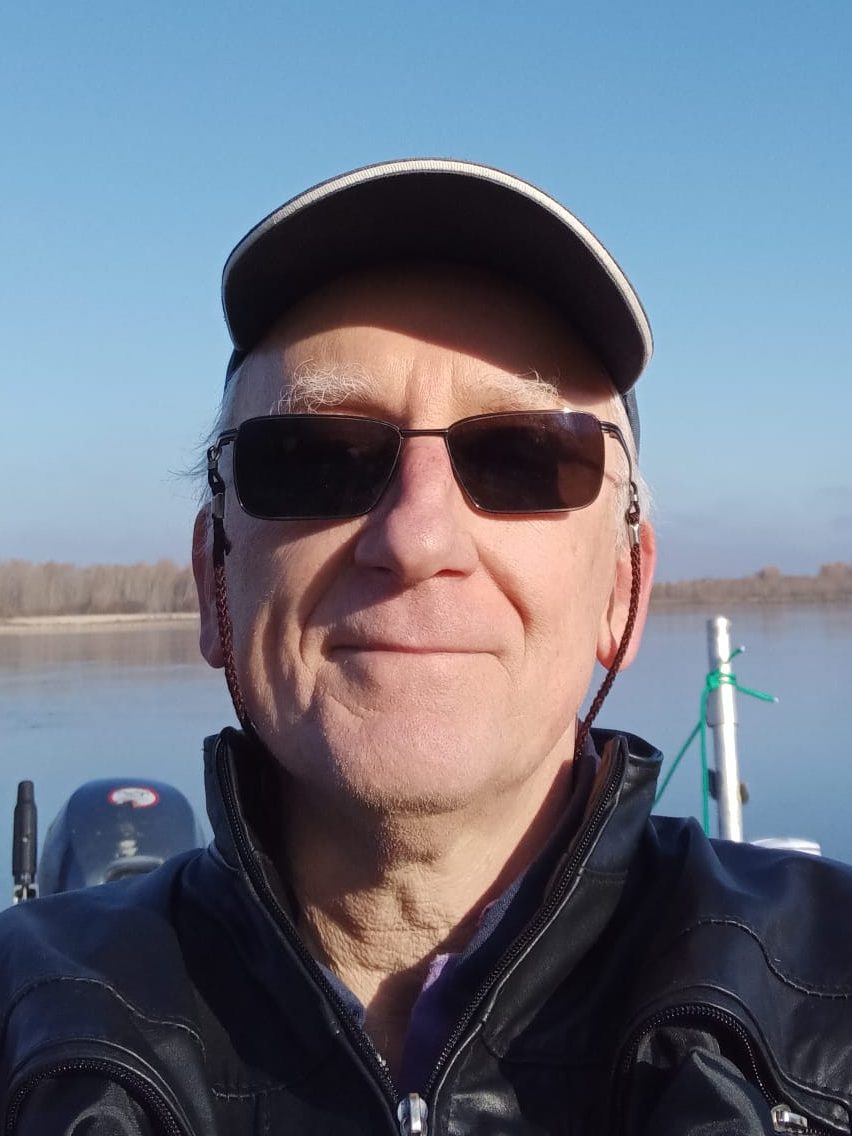
- Piotr Parasiewicz, From micro to macro: applying the principles of habitat modelling across the scales
Habitat models are built and validated at the scale of an individual organism, yet river management decisions are taken at the scale of reaches, basins and continents. This keynote asks what makes such scale-crossing legitimate. Ecological scale theory — grain and extent, nested hierarchies, orders of selection, riverscape connectivity and scale mismatch — frames upscaling as three distinct problems: spatial, biological and temporal. Each is illustrated with work spanning nine orders of magnitude: multiplex modelling for an endangered mussel in the Upper Delaware River; habitat-use guilds applied on the Niobrara, Ramganga and Polish rivers; conditional suitability criteria validated on bullhead; mesoscale hydraulic transfer on the Oder; and a Fish Community Macrohabitat Typology and Conceptual Habitat Alteration Model quantifying 203,100 km of altered free-flowing habitat across Europe. Temporal upscaling, the dimension most often skipped, is addressed through duration-and-frequency thresholds under a shifting baseline. Legitimate scale-crossing, it is argued, is a discipline of validation at every rung.
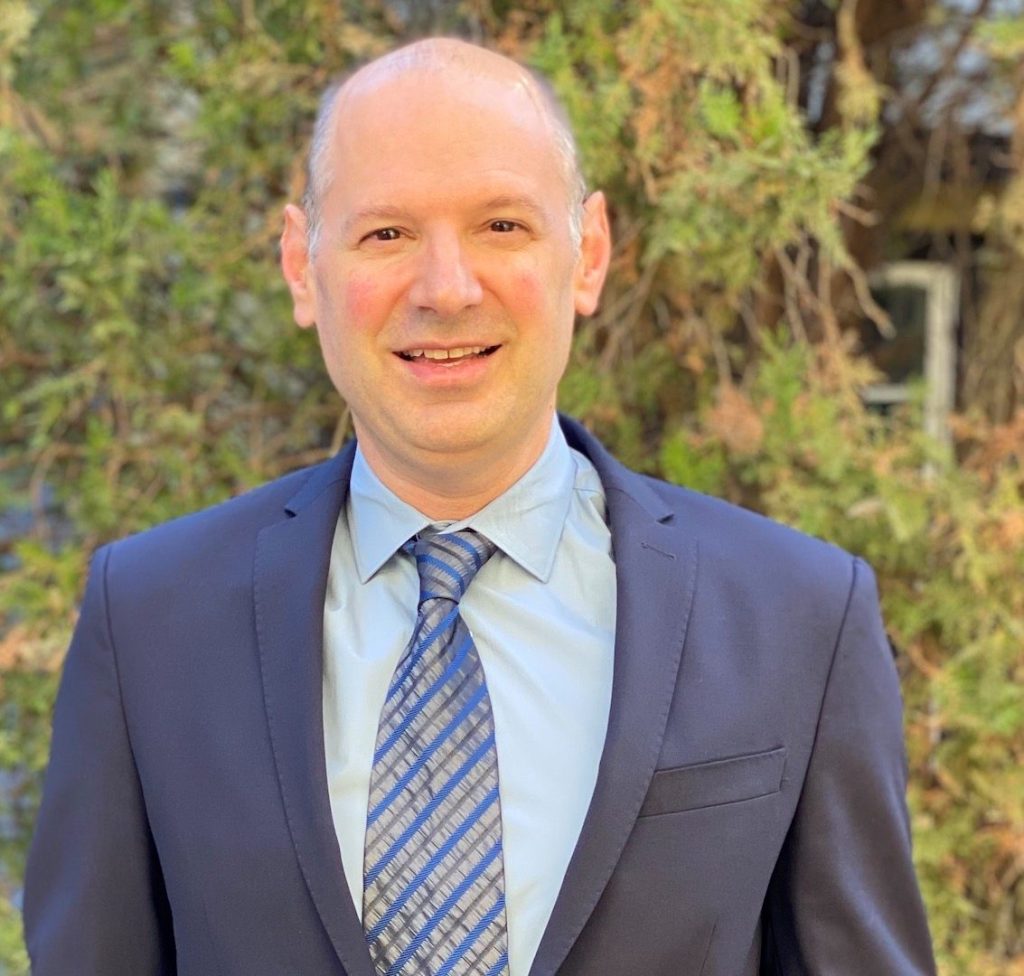
- Gregors Pasternack, Ecohydraulics can contribute to a more equitable and resilient civilization
Ecohydraulics spans many research disciplines and applied problems but is best known for use on regulated rivers requiring instream flows and fish passage. In recent years, cities and their surrounding communities have been hit with more extreme flash floods, growing unhoused human populations living in streamside camps, new threats to water quality, and continued declines in riparian and aquatic species’ populations. Classic river restoration concepts and engineering technologies are being added to with “low-tech” and “nature-based” methods. Socio-economic understand of coupled human-nature systems has also been growing. Now is the time for ecohydraulics to be incorporated into urban river management, but also for ecohydraulics to be changed by the needs arising from this new application and important developments regarding environmental justice. For example, how can ecohydraulic products be merged with those generated from socio-economic, flash-flood, water-quality, and sustainable-agriculture methods to obtain a systemic understanding of stream network functioning? Beginning in 2023, an interdisciplinary, transdisciplinary team has been conducting research and outreach about urban-stream ecohydraulics using the San Francisco Bay Area as a testbed. This 16,900 km2 region with >8,000 km of streams supports > 7 million people across > 100 towns. It also is home to diverse anadromous fish, riparian plants, and wildlife. I will showcase how ecohydraulics has been used to address complex human-nature interactions, opening new future directions for our community
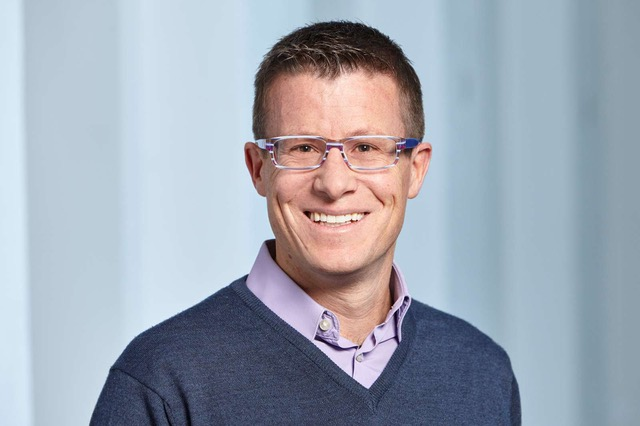
- Roman Stocker, Movement behavior in ecohydraulics, from bacteria to fish
Movement behavior is a defining process in ecology, shaping how organisms find resources, avoid hazards, interact with one another, and ultimately shape ecosystems. I will explore how advances in single-organism imaging and tracking allow quantification of movement behavior in aquatic ecosystems across scales, from bacteria to fish. I will discuss recent results showing how bacteria can utilize rapid motility and exquisite chemical sensing to aggregate around and exploit ephemeral nutrient hotspots, thereby influencing carbon cycling, and how juvenile trout exposed to hydropeaking can swim to seek hydraulic shelter in low-velocity refugia. I will also briefly introduce the Riverine Organism Drift Imager (RODI), a minimally invasive field technology we have developed to couple imaging with artificial intelligence and thereby massively increase the throughput of sampling small aquatic organisms in the field, from invertebrates to fish larvae. These examples show how high-resolution measurements of movement and movement behavior can improve the understanding of ecohydraulic processes across scales and reveal mechanisms that are often invisible to population-scale approaches, yet critically shape transport, habitat use, survival, and ecosystem functioning.

- Paola Vigano, Water Designs
“Water designs” are of major importance today. The number of projects dealing with water-related issues is so pervasive that it plays the role of connector, among coalitions of different players, disciplines, performances and ways of thinking.
Water itself “designs”, according to its rationalities, logics and behaviours. The water project is the one that shapes territories and living spaces over the longue durée. Water is the subject and the agent that we simply reveal, rediscover, accompany and follow, through design, with projects that listen to its voice and intentions.
Cities and territories are the “water laboratory” where to shape the socio-ecological transition and water, one of the many weak subjects of Modernity – modified, hidden, violated – is the pervasive ‘weak structure’, capable of organising the contemporary city-territory: beyond its heterogeneity, fragmentation and separation of spaces and function. Water is about life, space and power relations. “Water designs” is biopolitical.
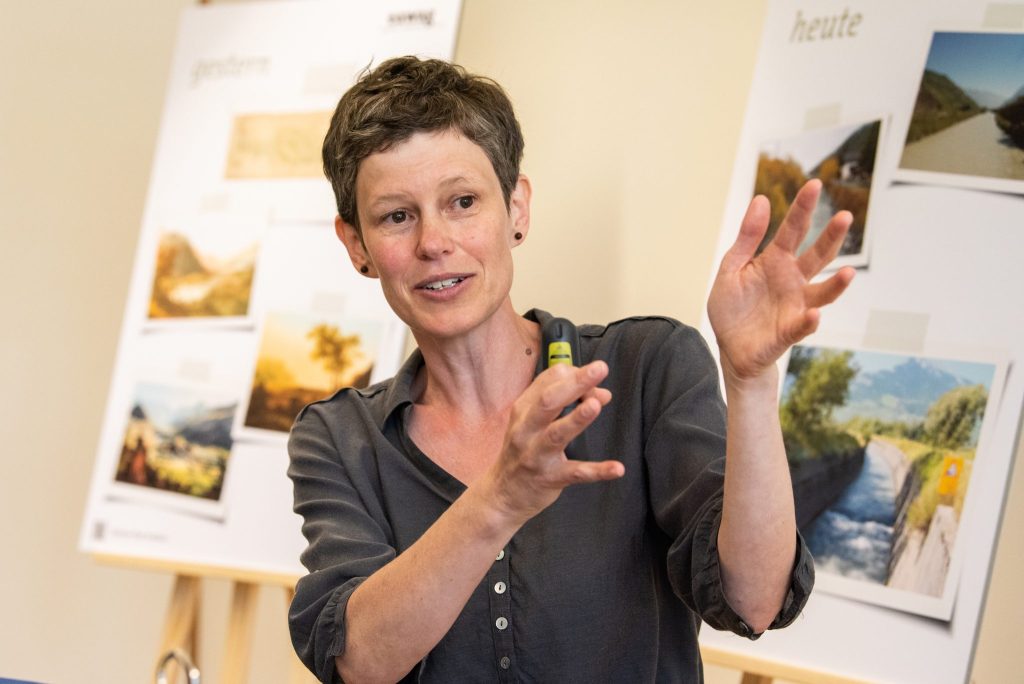
- Christine Weber, Shifting a paradigm: From anecdotal to systematic learning in river restoration
Learning from doing is common in river restoration and is typically based on data or individual experiences gathered at the level of a single project. Project-level learning is flexible and efficient. However, insights are rarely published, synthesised, or compared across contexts, which leaves valuable knowledge isolated and underused. In contrast, a programmatic approach builds on systematic evidence gathered across multiple projects using standardised methods. Replication and cross-project comparison foster collaborative learning and strengthen evidence-based restoration.
In 2020, Switzerland implemented a programmatic monitoring and evaluation for river restoration at the national scale, with the aim to provide a sound evidence base to support the country’s ambition to restore 5% (4’000km) of its hydrographic network by 2090. In this plenary lecture, I will synthesise the lessons learned during the development phase (2015-2019) and the first five years of implementation to illustrate the opportunities and challenges of programmatic monitoring and evaluation at the national scale.

- Elowyn Yager, Predicting seedling removal by the flow: the importance of sediment scour, plant structure, and bed grain size
Riparian vegetation impacts flow hydraulics, sediment transport, and resulting channel morphodynamics. These physical processes, in turn, affect the initial recruitment, stability, and fitness of individual plants, as well as the diversity of riparian ecosystems. Some of these complex feedback mechanisms between riparian vegetation and physical processes are included in 1D and 2D morphodynamic models. However, uncertainties remain on how to best capture these feedback mechanisms, particularly for flow and sediment scour induced removal of seedlings. This can be critical in river restoration projects, where planted seedlings are often used to increase bank strength, augment future channel shading, and restore native vegetation populations. We develop mechanistic predictive equations for seedling removal and identify controlling processes for removal that may need to be included in morphodynamic models and river restoration planning.

- Guido Zolezzi, Ecohydraulics and river morphodynamics: an expanding research interface
The early development of ecohydraulics focused on understanding how hydraulic conditions influence ecological and biological processes in aquatic systems, with channel morphology recognized as a fundamental control but generally treated as static. The keynote will explore the recent expansion of this interface between hydraulics and ecology towards sediment transport, river morphodynamics, and fluvial geomorphology, highlighting the emergence of a more integrated framework for understanding and managing riverine systems.
The talk will mainly refer to the classical topic of river habitat modelling, and how such habitat is structured and affected by morphodynamic processes at multiple scales, to highlight our present process understanding and unresolved gaps. It will discuss the role of different channel morphologies on habitat properties, and the possible effects of decadal-scale changes. In such respect, it will refer to the related interdisciplinary field of eco-morphodynamics, which focused on the trilateral interplay among flow, sediment transport and riparian vegetation dynamics in shaping fluvial landforms and related habitats. The talk will conclude by exploring possible integrations at relevant scales between (morpho)dynamic habitat modelling and river eco-morphodynamics, to discuss open directions on topics that have mainly received separate investigation efforts so far.